



Neil Malik
Will Ontario’s new ticket scalping law make any difference?
Will Ontario’s new ticket scalping law make any difference?
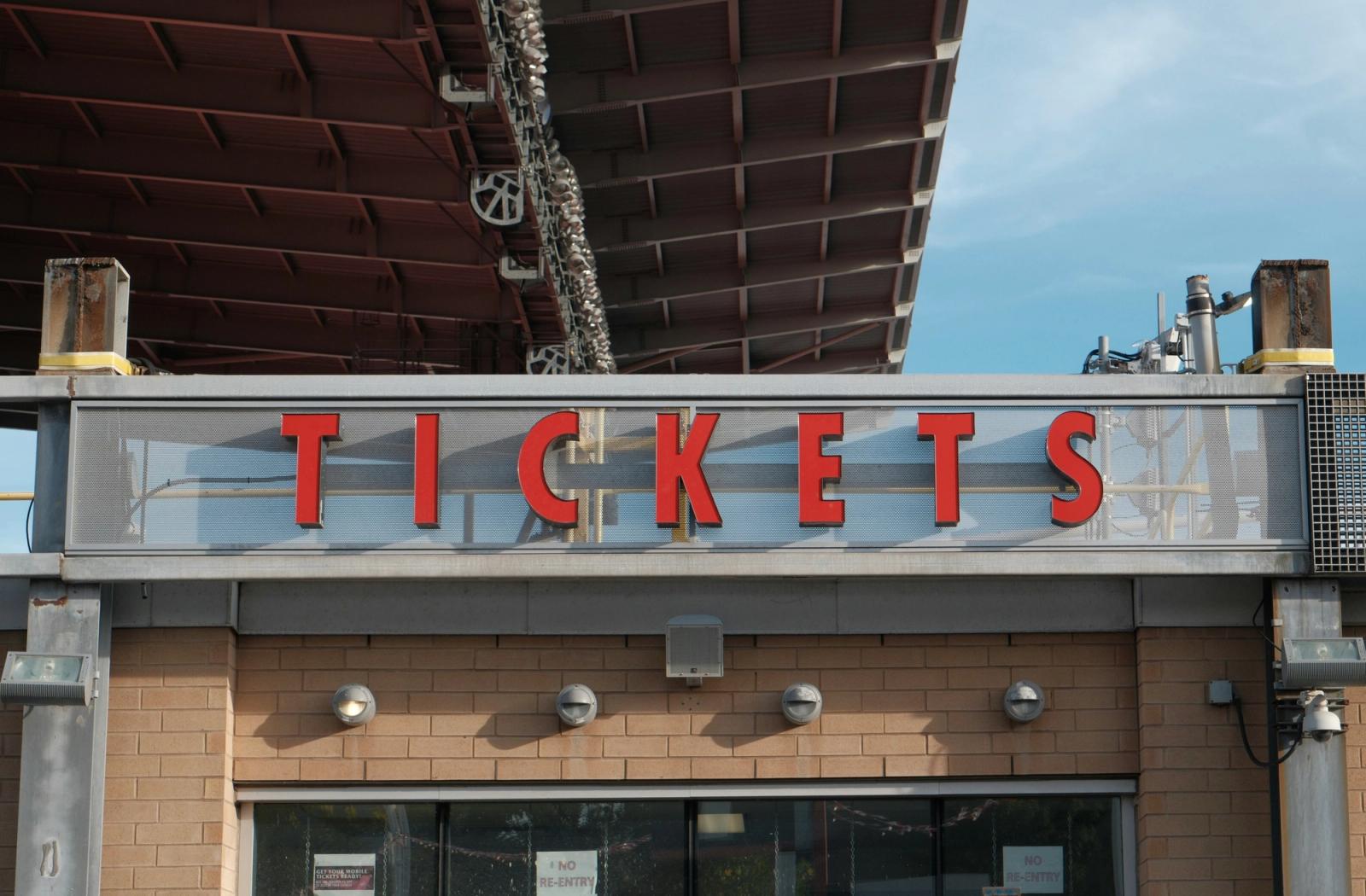
Photo via Unsplash
The Topline
- Ontario has officially made it illegal for tickets to concerts, sports, and other live events to be resold for more than their original cost.
- The resale price cap applies to anyone who resells a ticket and to any platform that facilitates a resale.
- In response to the new regulations, Ticketmaster has removed listings from its resale platforms and advised sellers to relist their tickets at pricing that is in compliance with the new law.
- B.C. government officials are “ monitoring closely ” as Ontario’s legislation takes effect to see what lessons can be applied in B.C.
Never miss another side to every story
Sign up for The Level's 5-minute newsletter, 3x per week
Thanks for subscribing!
Check your inbox for an email to confirm you're on the list. If there's no email, check your spam filter just in case, then mark us as 'not spam' so that you never miss an issue.
Switch sides,
back and forth
Cracks down on the profits
You know the drill.
Tickets go on sale at 10 a.m. By 10:03, they’re gone. By 10:05, they’re back online — just not at the same price. Same seat. Same show. Huge markup above face value.
Average fans never have a chance. If it’s not the bots scooping up the tickets in seconds, it’s the absurd markups charged by scalpers.
The Ontario government is taking some action by capping the price of resale tickets at their original face value. “We’re putting ticket scalpers on notice: Your days of ripping people off are done,” Premier Doug Ford said in a post on X.
The logic here is fairly simple: Bots purchase tickets faster than humans. Those tickets quickly turn up on resale platforms, which profit from charging a percentage of the selling price as a service fee.
Take last season’s NFC Championship Game at Lumen Field in Seattle. At one point, seats were listed on StubHub for $20,132. That includes, get this, $4,529 in StubHub fees.
By capping ticket resale prices at the original all-in purchase cost, including fees and taxes, it no longer becomes a profitable venture.
This takes away the incentive for resale platforms like StubHub to operate, which could mean fewer bots doing the dirty work of securing tickets if scalpers don’t have an easy place to sell them.
The goal? More tickets available for average fans hoping for a once-in-a-lifetime experience of seeing their favourite artist or team.
The dominant ticket-selling platform in the country is Ticketmaster. It not only collects fees on the original sale, but also offers a resale platform that allows it to charge more fees each time a ticket changes hands.
And — just like StubHub — the higher the ticket price, the higher the fees.
A jury in New York found Ticketmaster and Live Nation were liable for operating an illegal monopoly over concert venues. Ticketmaster’s anticompetitive strategies meant people in 22 states paid an extra $1.72 per ticket.
That’s not very much per ticket, but it meant millions of extra dollars for Ticketmaster.
Ontario’s law comes at a moment when Ticketmaster is already under scrutiny from U.S. regulators, with Canada potentially not far behind. The timing couldn’t be better.
Maybe that’s why Ticketmaster wrote in an email to ticket resellers that it supports the new law. “Ticketmaster Canada supports Ontario’s Bill 97 capping resale ticket prices as an important step toward a fairer, more transparent resale market for fans,” the email said.
It’s worth noting that reselling tickets isn’t banned entirely. It’s only reselling for a profit that’s no longer permitted. The government says it’s making sure fans “have access to fair resale prices and are not exploited by price gouging when they buy resale tickets for their favourite events.”
Only time will tell if this new law makes events more accessible or affordable for fans. But let’s at least give props to the Ontario government for trying to help.
Opens the door for scammers
Ticket scalping goes back a long way — all the way to the mid-1800s — which is why it’s naive to think Ontario’s new legislation will suddently eliminate the practice.
Ironically, it was back in 2019 when the Ford government shelved the existing law that capped resale prices at 50 per cent above face value, calling it “unenforceable.”
Since then, the internet, the bots, the platforms, and the concept of supply and demand haven’t changed that much. So what’s going to make things different this time around?
You might see indications that suggest the law is working.
Ticketmaster has already removed resale tickets from its platform, advising ticket sellers they will have to relist them at a price that adheres to the regulations.
The platform’s spokesperson, Shabnum Durrani, said, “We remain committed to creating a fair and secure ticket marketplace for everyone in compliance with all applicable laws and regulations.”
A spokesperson for StubHub told CBC News they intend to comply with the law, despite its opposition to the cap. “Price caps expose fans to a massive increase in ticket fraud, but don’t bring costs down,” the spokesperson said.
And that’s where the biggest objection lies. This new legislation will simply push the supply of resale tickets to less visible places where the risk of fraud and scams is much higher.
This University of British Columbia economist agrees. “If you cannot sell to the highest bidder legally, you will find a black-market way to do so,” Tom Davidoff told 1130 NewsRadio in an interview.
“And once you are into black markets, there is less trust in the transaction, so there is less money for the seller, and of course, less protection for the buyer.”
Going all the way back to the mid-1800s, if people see a way to make a buck, they’ll find ways to do it. A toothless law with little chance of enforcement isn’t going to make the theory of supply and demand go away.
Buying resale tickets on Ticketmaster or StubHub offers peace of mind that your ticket is authentic. Credit card transactions are safer than cash.
Buying off a platform like Kijiji or Facebook Marketplace simply doesn’t come with those same safety nets.
The new law also ignores the fact that high-demand events are expensive to begin with. Dynamic pricing pushes up ticket prices the moment they are released for sale. It’s the equivalent of rideshare surge pricing.
So if you see a $400 ticket for sale on Ticketmaster, that number wasn’t driven up by resellers later on. It happened upstream, at the time of the initial sale.
And then what about all the tickets for resale priced at a discount?
When a mid-week Toronto Blue Jays game has thousands of empty seats, tickets are usually priced on those same platforms below face value.
A group calling itself The Sports Fans Coalition (SFC) claims that between 2021 and 2025, more than 300,000 tickets were resold at a discount in Toronto. Maple Leafs fans saved an average of $78.72 per ticket, while Blue Jays fans saved $25.77 per ticket.
Taking away those platforms means taking away easy access to those discounted tickets.
The government wants a situation where the average fan can buy tickets without taking out a second mortgage. That’s admirable.
But if Ford already scrapped this plan once, and there’s still no clear path to enforcement — while high face values go untouched — it’s hard to believe this will make any difference.
