



Neil Malik
The billion-dollar refugee healthcare debate
The billion-dollar refugee healthcare debate
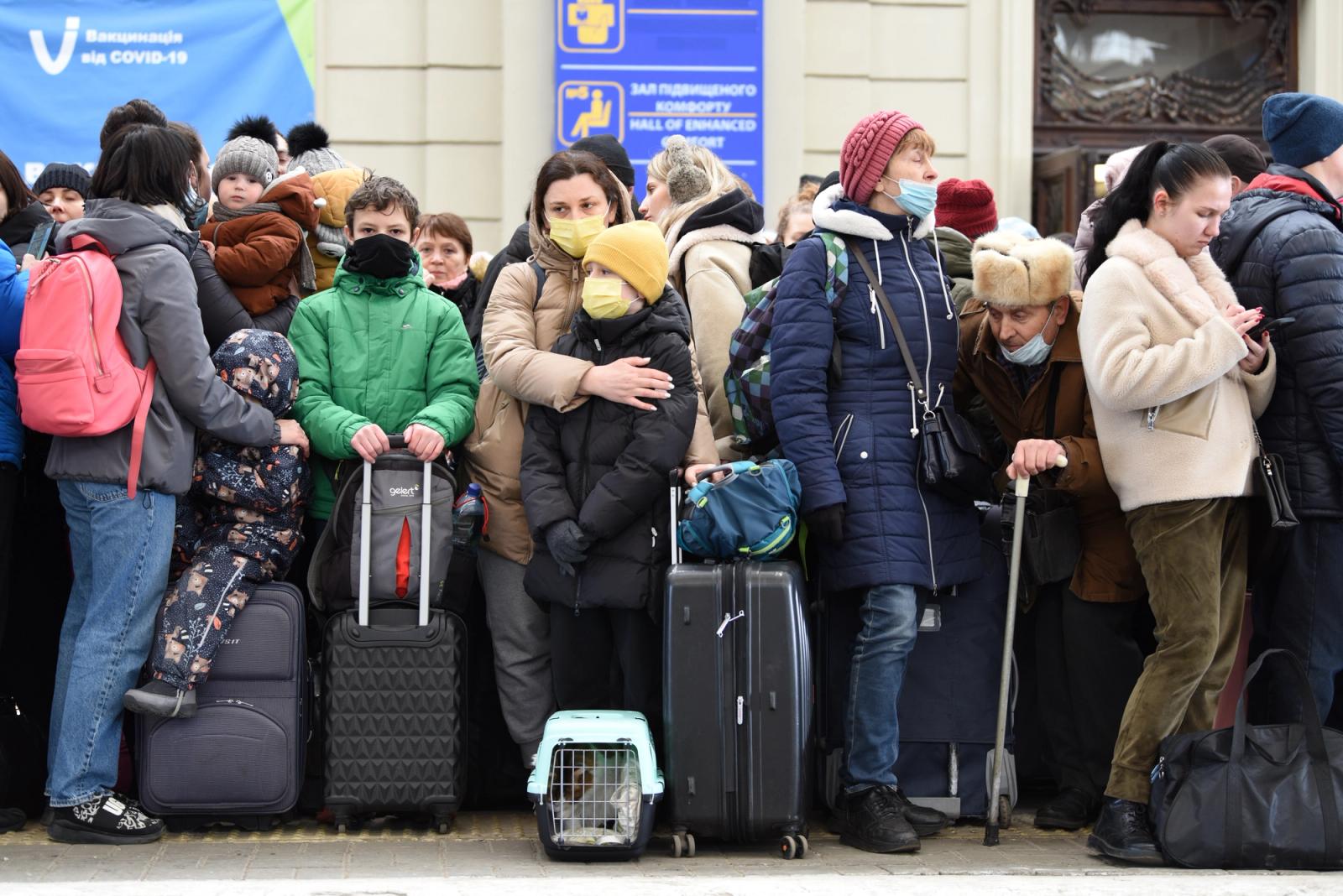
Bumble Dee / Shutterstock.com
The Topline
- MPs this week voted down a Conservative motion that called on the government to review the health benefits provided to refugee claimants “in order to find savings for taxpayers”
- When someone arrives in Canada and claims refugee status, the Interim Federal Health Program (IFHP) covers the cost of their healthcare before they qualify for a provincial healthcare program.
- Ten years ago, this program cost about $60 million annually and served roughly 90,000 claimants. Today, the budget has grown to nearly $1 billion, covering over 600,000 people. By 2030, the Parliamentary Budget Officer expects the price tag to hit $1.5 billion.
- Critics argue the program unfairly provides benefits to refugees that Canadians must pay for out-of-pocket
Never miss another side to every story
Sign up for The Level's 5-minute newsletter, 3x per week
Thanks for subscribing!
Check your inbox for an email to confirm you're on the list. If there's no email, check your spam filter just in case, then mark us as 'not spam' so that you never miss an issue.
Switch sides,
back and forth
When newcomers get what Canadians can’t
The frustration isn't about the act of helping. It’s about the equity of the services provided.
Nearly 6 million Canadians say they currently lack a family doctor. Wait lists for specialists are the longest recorded since 1993. About 50 per cent of Canadians now turn to AI for medical advice.
IFHP beneficiaries, on the other hand, receive access to a suite of supplemental benefits, including dental, vision, and mental health care.
Conservative MP Michelle Rempel Garner says this supplemental coverage is a step too far because it pays for things that aren't covered for Canadians in the public health care system.
Even with the government's recent announcement of a 30 per cent co-payment model for supplemental benefits and a $4 fee for prescriptions starting in May 2026, the difference is no joke. Canadians who are struggling with the rising cost of groceries and housing receive little to no federal coverage for the very services the government continues to subsidize at 70 per cent for non-citizens.
There’s another layer to this boondoggle. Applicants who are denied refugee status still receive access to their benefits. The IFHP covers them if they choose to appeal the decision, which can drag on for years because Canada’s asylum backlog is around 300,000 cases.
Rempel Garner notes that roughly 86 per cent of asylum seekers refused since 2020 have remained in Canada on appeal. That’s hardly a recipe for reducing the backlog or the cost of the IFHP.
Furthermore, we’re seeing an uptick where individuals arrive on student or work permits and only claim asylum once those permits expire. It's basically a last-ditch effort to stay in the country.
In 2024, international students filed more than 20,000 asylum claims, nearly double the number seen in 2023 and roughly six times as many as in 2019.
When we see thousands of asylum claims from people who were paying international tuition fees to study here, or hundreds of claims from established democracies like the United States, it kind of suggests the program is being used as a procedural loophole rather than a refuge of last resort.
The Liberal government’s approach is being characterized by Toronto Sun columnist Brian Lilley as "tinkering at the edges." But while co-payments and new immigration laws aim to reduce numbers, they still don’t address the core issue.
This isn’t a clash between compassion and cruelty. It’s a question of equity. When access to care depends on status rather than need, frustration is inevitable.
We can’t let them in, then give them nothing
The Conservatives are reaching for soundbites, while ignoring plain human compassion.
Canada has rightfully come to the aid of people fleeing war-torn countries like Afghanistan, Sudan and Ukraine.
According to the Immigration and Refugee Board, 80 per cent of general refugee claims in 2024 were eventually found to be valid and justified. So by no means is this a program where the vast majority are exploiting some kind of loophole.
The scope of the program’s growth isn’t in dispute. Since 2016, the IFHP has expanded from a $60-million-a-year initiative to a $1-billion-a-year program.
But that ignores the fact that since the mid-2010s, the number of people forcibly displaced worldwide has nearly doubled , rising to over 120 million by 2024. Canada, as a signatory to the 1951 UN Convention, has a clear international duty to process those fleeing persecution.
Introducing a new, 30 per cent co-payment for supplemental services like dental and vision care, along with a $4 fee for prescriptions, will help cover those costs. It’s a balance between ensuring the program is sustainable for the long haul while making sure that those who can contribute, do.
Any suggestion of reducing or eliminating coverage for refugee claimants goes against the point of providing people who are fleeing persecution a safe haven. Would you invite someone into your house, but then make them sleep on a cold, hard floor?
In 2014, when the Harper government attempted similar sweeping cuts, the Federal Court ruled them unconstitutional, describing the resulting treatment of vulnerable people as "cruel and unusual".
Going back to that failed policy would not only be inhumane but would inevitably lead to costly, losing battles in the court system.
If the Conservatives are serious about cutting costs, it’s significantly cheaper to provide someone with primary care or a supply of insulin than a multi-week stay in an intensive care unit because an untreated condition turned into a medical emergency.
As for criticism over paying for supplementary services, the goal is to help refugees settle, find work and contribute to society. Fixing up their teeth and getting them glasses is a good first step, don’t ya think?
Protecting our borders and our budgets is important, but let’s not lose our character as a nation that upholds basic human decency.
