



Neil Malik
Danielle Smith is pushing ahead with a referendum on separation – sort of
Danielle Smith is pushing ahead with a referendum on separation – sort of
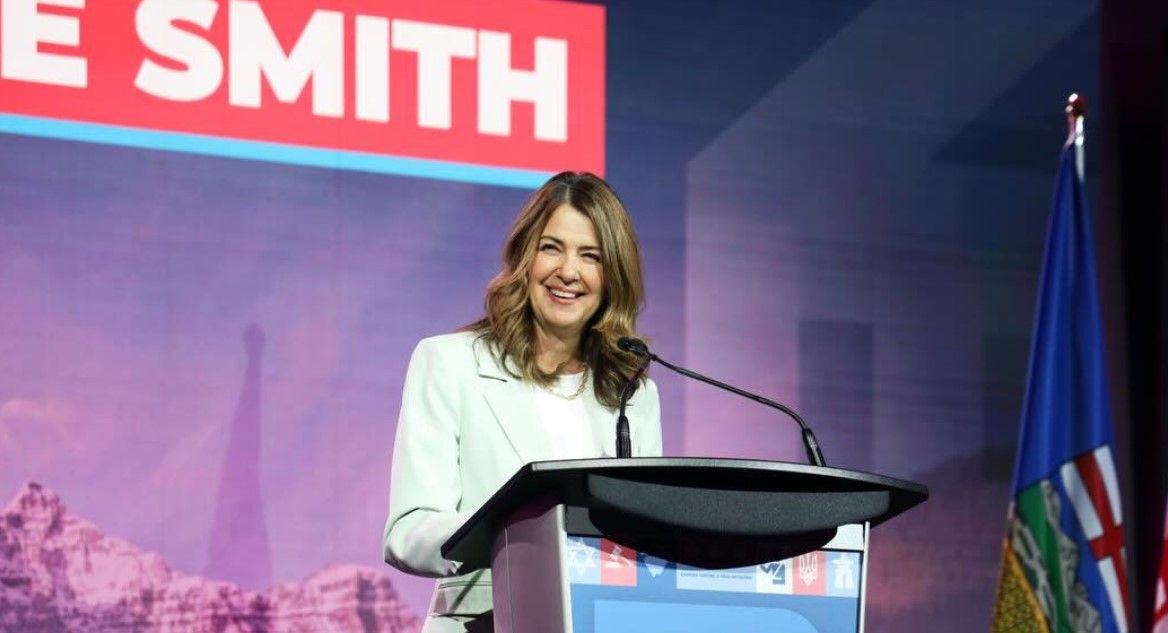
Photo via abdaniellesmith, Instagram
The Topline
- Alberta Premier Danielle Smith announced she will add a question to the previously-planned October 19 referendum on whether the province should hold a second, binding referendum on separation at a later time
- The question is: “Should Alberta remain a province of Canada or should the Government of Alberta commence the legal process required under the Canadian Constitution to hold a binding provincial referendum on whether or not Alberta should separate from Canada?”
- This decision follows a recent court ruling that said a recent petition to hold a binding referendum on separation was unconstitutional
- Smith called the ruling “an erroneous court decision that interferes with the democratic rights of hundreds of thousands of Albertans” and plans to appeal
- Smith also stated that both she and her caucus support Alberta remaining in Canada
Never miss another side to every story
Sign up for The Level's 5-minute newsletter, 3x per week
Thanks for subscribing!
Check your inbox for an email to confirm you're on the list. If there's no email, check your spam filter just in case, then mark us as 'not spam' so that you never miss an issue.
Switch sides,
back and forth
There's a method to her madness
A referendum on having a referendum might sound pointless, but Smith has a good reason for it.
As leader of the United Conservative Party (UCP), Smith knows that a significant portion of UCP voters support filing for divorce from Ottawa.
It works out to somewhere between 40 per cent and 64 per cent of UCP voters depending on the pollster.
But on the other hand, polling also shows the vast majority of Albertans oppose separation.
Translation: most Albertans don’t want out of Canada. But enough UCP voters do that she can’t just tell them to sit down and be quiet. Smith is politically trapped.
That’s why the decision to have a referendum on a referendum makes sense.
She’s fulfilling the wishes of the separatists in spite of a court ruling that says the petition to have a binding referendum is unconstitutional, but also giving Albertans who oppose separation a chance to vote “no” and kill the idea once and for all.
By walking that tightrope, she’s minimizing the chances of losing her job at the UCP’s next leadership review.
And as much as you might dislike Smith’s approach to governing, her track record indicates she’s good at getting what she wants lately.
She’s managed to secure a formal framework for a new oil pipeline to the west coast. And two weeks ago, she formalized a better deal for Alberta when it comes to carbon pricing.
Before that, Ottawa agreed to suspend its Clean Electricity Regulations in Alberta while the two governments negotiated a new carbon pricing deal.
At a recent signing ceremony, Smith herself called it “a good day for Alberta and a good day for Canada.”
She’s managing her base. She’s giving separatists a democratic outlet. She’s letting Albertans settle the question at the ballot box.
Good politicians manage to find middle ground on big issues while moving their agenda forward.
That’s exactly what Smith is doing here.
Does anyone remember Brexit?
It may just be a prequel referendum to the actual referendum, but Smith is still playing with fire.
And if Brexit proves anything, it’s that fires can spread before you know it.
Before getting into Smith’s approach, let’s zoom out a bit and remind ourselves what separation financially looks like for Alberta.
The Alberta Prosperity Project (APP) claims the province would be better off. But Trevor Tombe, an economist at the University of Calgary, has examined the numbers and says the math doesn’t add up.
The APP proposes eliminating nearly $80 billion in income and sales taxes currently paid by Albertans to provincial and federal governments, wiping out more than half of the new country’s total revenues.
Meanwhile, there’s no mention of what happens to Old Age Security or the Canada Child Benefit, and no explanation for how Alberta would replace the roughly $10 billion annually needed to fund those programs.
Todd Hirsch, a Calgary-based economist, adds that Alberta’s fiscal position today reflects more than simply adding up the money sent to Ottawa versus the money received.
He cites, for example, that Alberta’s population is younger on average, which instantly means lower pension and OAS payments to the province. It also means less of a health care burden.
That’s not a result of unfairness. It’s just demographics.
Back to Smith. If she’s being truthful when she says , “I support Alberta remaining in Canada,” then why push ahead with a referendum at all?
Especially with a question that’s confusing and wordy, at best.
Let’s be real. Does she genuinely think Ottawa and/or British Columbia will support a new pipeline if Alberta decides to leave Canada?
Governing means telling her own supporters the truth, not validating bad ideas because she’s afraid of their response – especially since separation was never part of the UCP election platform.
And by treating separation as a reasonable policy option, she’s putting Alberta’s economic stability at risk. How is that a good thing for Alberta, let alone the rest of Canada?
The polls are clear. Most Albertans do not want to separate. That should matter more to a premier than keeping the loudest faction of the UCP happy.
