



Neil Malik
China goes from villain to supplier in Carney’s trade deal
China goes from villain to supplier in Carney’s trade deal
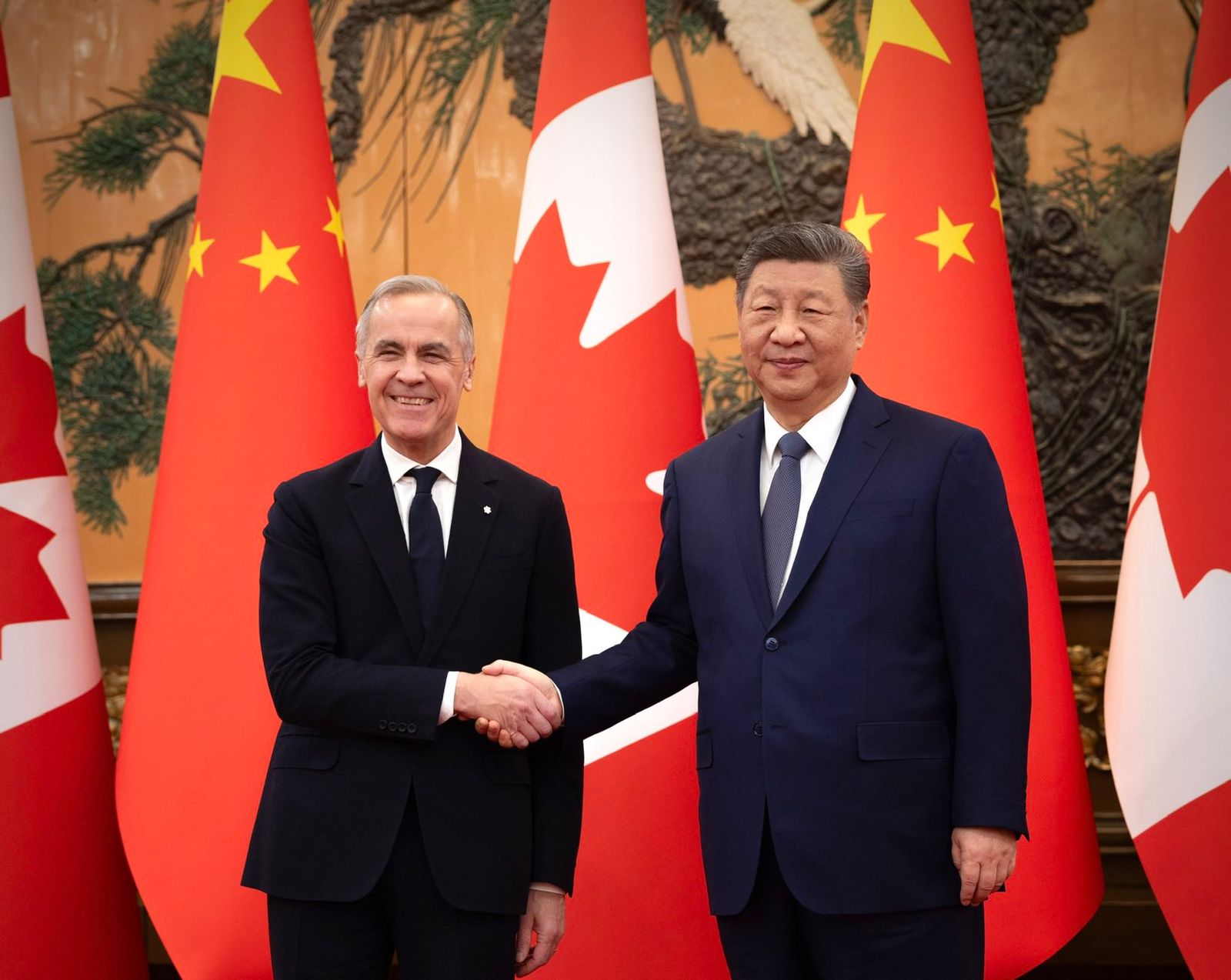
Photo via @MarkJCarney on X
The Topline
- Canada and China struck an initial trade deal on Friday that gives Canadians more access to lower-priced, Chinese-made EVs, while Canada gets a break on Chinese tariffs for Canadian canola seed
- Prime Minister Mark Carney calls the deal “a new strategic partnership that builds on the best of our past, reflects the world as it is today, and benefits the people of both our nations.”
- Critics question whether Canada should be strengthening trade relationships at all with China after Carney previously called it one of Canada’s biggest strategic threats
Never miss another side to every story
Sign up for The Level's 5-minute newsletter, 3x per week
Thanks for subscribing!
Check your inbox for an email to confirm you're on the list. If there's no email, check your spam filter just in case, then mark us as 'not spam' so that you never miss an issue.
Switch sides,
back and forth
A smart move
Canada and China aren’t necessarily the best of friends. But considering Canada has no trade deal in sight with the U.S., an agreement with China is welcome news.
For starters, Canada’s canola industry is a big deal. It generates more than $40 billion in economic activity. Nearly $5 billion of canola products were exported to China in 2024, second only to the U.S.
That’s why after years of increased tariffs, China’s promise to cut canola seed duties by about 70 per cent gives producers in Manitoba and Saskatchewan a much-needed win.
Saskatchewan premier Scott Moe called this “a deal of tremendous significance” while Manitoba premier Wab Kinew told reporters the deal was encouraging.
As for everyday Canadians, this deal means getting access to something many have been asking for: cheaper electric vehicles.
For many drivers, the logic is pretty simple: EVs cost too much and rebates have disappeared. Clean Energy Canada points out that Canada was one of the only countries to see EV sales fall last year, blaming high prices and limited choice.
Upon hearing the news, Ontario premier Doug Ford was furious , which makes sense because his job is to rally behind Ontario’s auto industry. The last thing he wants is cheaper vehicles entering the market from foreign competitors.
But here’s something perhaps Ford should be thinking about instead. The federal government still has an EV sales mandate that forces automakers to sell an increasing percentage of EVs each year, or face financial penalties.
Since current demand for domestically built EVs is weak, the vast majority of vehicles produced in Ontario are non-EVs that don’t help automakers meet the mandate.
Rather than complaining about Chinese competition, Ford could help the industry by pushing even harder on Ottawa to relax the mandate. That would take pressure off automakers to produce vehicles consumers aren’t buying right now, and allow them to keep building the ones that people are buying.
Even after this latest deal with China, the U.S. remains our biggest trading partner by far. That being said, given Canada’s current relationship with Donald Trump, 75 per cent of our trading activity is at risk of being messed up.
In the face of that, Canada has to start doing business elsewhere. And on paper, you can’t argue with the idea that China’s a good match for our economy. So if anything, Carney’s simply following that logic.
A dangerous move
Carney’s own press release sells this deal as a “new strategic partnership.”
But this new warmth comes barely a year after Carney replied "China” when asked to name Canada's biggest security threat.
Canadians have fresh memories of the two Michaels’ detention, clandestine police stations in Canadian cities, and election‑interference allegations . Not to mention, China is an authoritarian state with a terrible record on human rights. Those concerns don’t vanish because a canola tariff drops from 85 to 15 per cent.
Ontario auto workers also have a right to be upset. The sector already has its own challenges with U.S. tariffs, falling sales, and an imposing EV sales mandate . The last thing it needs is new competition from a country like China with significantly lower labour costs.
Then there are questions about whether China could be these vehicles to spy on Canadians. While there doesn't seem to be any concrete evidence that Chinese EVs are being misused for surveillance, China’s track record for espionage isn’t great.
Modern EVs are connected to the internet, full of cameras, microphones, and other data-gathering widgets. If Canadians were concerned about TikTok being a major security risk, shouldn’t we also be worried if our cars could be giving Beijing a window into our private lives?
Carney literally called China one of Canada’s biggest threats. Less than a year later, he went ahead and signed a deal with them. Meanwhile, the much-needed trade deal with the U.S. he promised is nowhere to be seen.
That leaves Canadians questioning not just the deal itself, but whether they can trust the government to follow through on its own warnings.
